
Beyond Blood Sugar: Discover a Smarter Path to Diabetes Management & Specialist Care in San Antonio
Managing diabetes can be challenging, and it is not always as simple as monitoring your blood sugar levels. At Texas Multispeciality Clinic, our patients’ health is always top of mind. When you seek Diabetes Management & Specialist Care in San Antonio, we understand the additional concerns you may have about your overall health.
Our facility recognizes the importance of patient-centered care and incorporates your needs into comprehensive diabetes care. This may include healthy lifestyle changes and the development of long-term wellness goals.
We invite you to come by for an individualized assessment to help you make decisions about your diabetes and learn more about the many options that are available to you.
Understanding Diabetes
The body’s cells need sugar to provide them with energy. Blood sugar is the body’s main source of sugar. After eating, blood sugar levels rise. As this happens, insulin is released to help transport the sugar from the blood to the cells. The body can’t function properly without enough insulin to transport sugar. This can increase blood sugar levels.
If diabetes is not managed, there can be additional health complications. Over time, uncontrolled diabetes can damage eyes and increase the risk of kidney disease, stroke, and heart disease.
Long-term complications can occur when blood sugar is not managed.
The major categories of diabetes are as follows:
- Type 1 diabetes: a condition in which the pancreas produces little or no insulin.
- Type 2 diabetes: a condition in which the pancreas produces insulin, but the body does not use it effectively.
- Gestational diabetes: Occurs during pregnancy and requires medical surveillance.
Each category has distinct characteristics and requires an individualized management plan. Appropriate management is determined by the type of diabetes, blood sugar level, other health conditions, lifestyle, medications, and the individual’s health history.
Blood sugar levels help inform management and are not used in isolation.
Diabetes Management & Specialist Care San Antonio: Care designed around you.
Different individuals require different types of management. Some need education on diabetes management; others need help managing diabetes through education on medication and insulin management, blood sugar monitoring, nutrition, and related issues.
To better control your diabetes, assess your current health and set actionable goals, contact Texas Multispecialty Clinic.
Personalized Health Evaluation
A comprehensive health evaluation gives insight into your overall health. Your health care practitioner may review your symptoms, family and personal health history, current medications, and laboratory test results
Based on your current health status, we will develop a management plan. This may include laboratory tests and other assessments to determine a course of treatment.
Customized Management Plan
Management plans for diabetes should be individualized, and factors such as age, activity level, nutritional habits, preferences, and other medical conditions should be included.
Your health care provider should include these factors in your management plan and discuss goal setting, available treatment options and your follow-up schedule.
Ongoing Monitoring and Follow-Up
Diabetes management is ongoing, and your plan should include follow-up to evaluate your progress. Identify and address challenges with your plan during follow-up.
Additional topics for follow-up should include medication concerns, lifestyle changes, preventive health care, and other matters related to your diabetes management.
Diabetes Evaluation and Management San Antonio, TX: Begin with the Right Information
If you need a diabetes evaluation and management in San Antonio, TX area, start your search to learn more and get the right medical care.
A comprehensive evaluation should assess your current blood glucose control and identify factors that may affect your long-term health.
Understanding Your Blood Sugar Results
Blood glucose levels show your blood sugar at a given time. An A1C test shows your average blood sugar over the past 2-3 months.
Your healthcare provider may use these results, along with other health assessments, to help identify whether you have diabetes, evaluate your management, or adjust your treatment.
Reviewing Your Medical History
A thorough medical history may help identify factors that influence your diabetes care and address risk factors for other conditions, including high blood pressure, abnormal cholesterol, cardiovascular disease, and more.
It’s also important to look at your other medications and supplements. Some can affect blood sugar or interact with your prescription medications.
Setting Realistic Health Goals
Every person’s journey with diabetes is different. Your healthcare team can help you set individualized, realistic targets for blood sugar, blood pressure, and cholesterol based on your current health status.
The goal is to have a practical plan that meets your health needs while minimizing risks.
Finding a Diabetes Care Clinic in San Antonio, TX
When searching for a Diabetes Care Clinic in San Antonio, TX, consider the support available, communication with the healthcare team, appointment scheduling convenience and follow-up support.
You should feel that your care team answers your questions and is approachable with your concerns.
Medical Guidance
Diabetes treatment is not just about taking medication. You also have to manage blood sugar with lifestyle modifications (i.e., diet, exercise, and screening). Medical guidance helps you understand the rationale behind your treatment.
Ongoing Support
Because diabetes and the body change over time, ongoing support and care are important. Regular appointments help your healthcare team evaluate your progress and address any new concerns.
Focus on Other Health Concerns
Because diabetes is a systemic disease, other health concerns (i.e., blood pressure, cholesterol, kidneys, eyes, feet) may require assessment and interventions. Your healthcare team may recommend tests and procedures to assess your risks and optimize your health.
Clear Communication and Practical Recommendations
Clear communication about your treatment plan promotes consistency. If you don’t understand any part of the plan, ask for clarification. Discuss any challenges or obstacles related to taking your medication. Also, let your team know if you are having any issues with adhering to the required monitoring and/or changes to your lifestyle.
Texas Multispeciality Clinic, in San Antonio, is a possible option for a medical evaluation and diabetes-related care. Contact the clinic to confirm available services and schedule an appointment, if needed.
Blood Sugar Management in San Antonio, TX: Everyday Habits That Make A Difference
Managing diabetes involves lifestyle changes and daily habits, along with medical care and monitoring. While it is possible that diabetes is not fully controlled by making changes to your lifestyle, it can be very beneficial in helping to manage your blood sugar.
- Balanced Eating
To improve blood sugar balance, incorporating a variety of nutritious food groups, including vegetables, whole grains, lean protein and legumes, into your meal plan can help.
Carbohydrate counting is a useful tool for many people with diabetes, but it requires a deep understanding of food, portion sizes, and meal timing. If you need help with this, a registered dietitian is the best person to ask.
It is also important to speak with your healthcare team before making drastic and/or extreme changes to your diet, especially if you are at risk for hypoglycemia.
- Physical Activity
Regular physical activity can support heart and blood vessel health and improve the body’s ability to use insulin.
Activities like walking or swimming may help you meet your goals. Adults aim to achieve 150 minutes of moderate-intensity aerobic activity per week, if it’s right for your health and abilities.
For complications and other medical conditions, talk to your health care professional to learn which activities suit you.
- Monitor Blood Sugar as Recommended
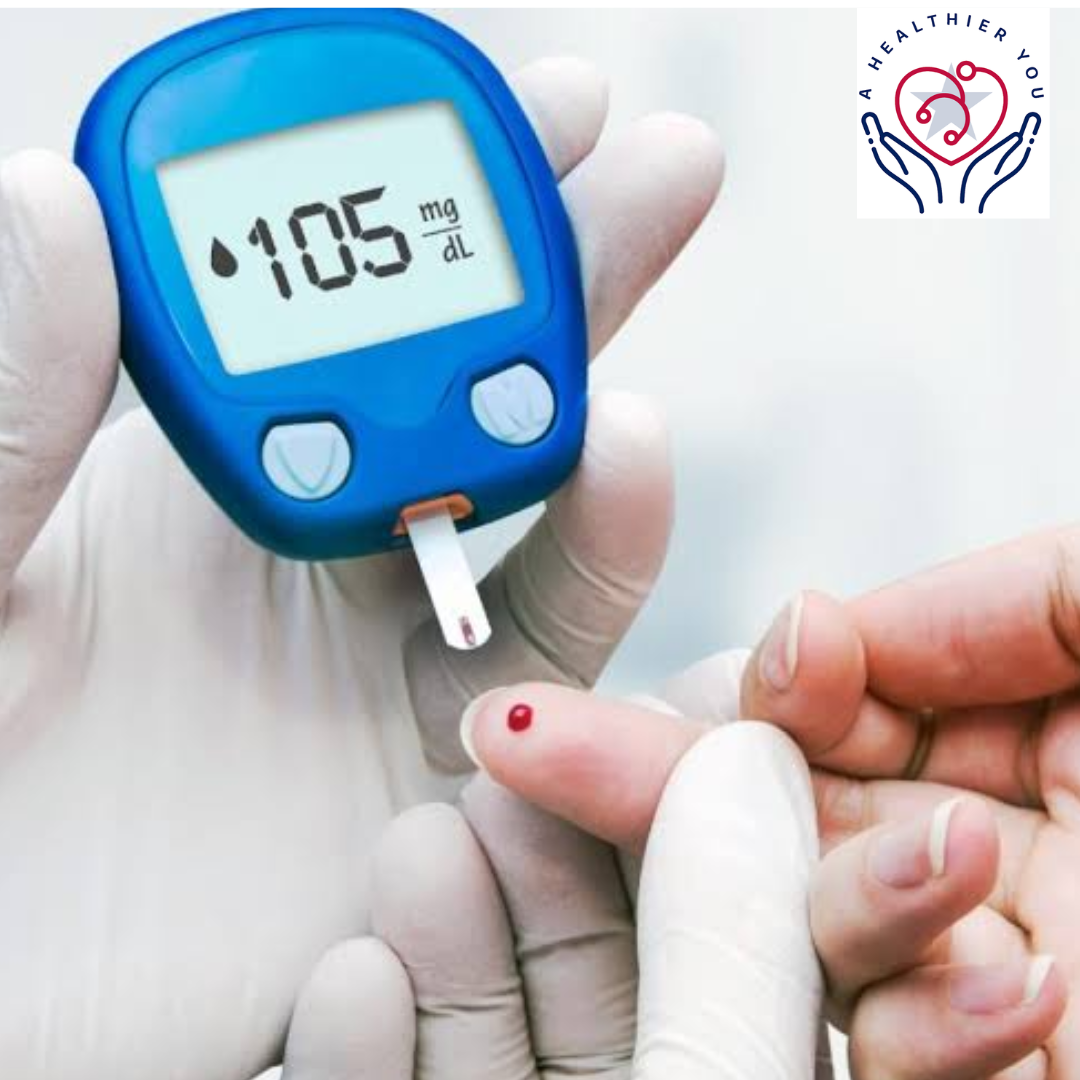
Blood sugar monitoring is used to assess how meals, activities, illness, stress, and medications impact blood sugar levels.
Your health care professional will recommend how often you should monitor your blood sugar, and decide whether a glucose meter or continuous glucose monitor is right for you.
- Take Medication as Prescribed
Some people with type 2 diabetes can control their diabetes with lifestyle changes and monitoring, whereas others are required to control their diabetes with medication. Type 1 diabetics are required to take insulin.
Speak to your health care professional if you have side effects, can’t keep up with your schedule, or if you’re having concerns with your treatment.
- Prioritize Sleep and Stress Management
Lack of sleep and stress can make it hard to manage your blood sugar levels.
Keeping a schedule and doing relaxing activities can help. Seek out help if you have long-term sleep difficulties.
- Keep Up with Preventive Health Checks
Routine medical checkups can help detect potential complications early. Based on your needs, your health care professional can recommend a combination of routine checks.
These aspects of diabetes care help slow the development and progression of health problems associated with the disease.
Why Timely and Continuous Care for Diabetes Is Crucial
Diabetes may take a while to develop, and patients may experience very few symptoms during the early stages. Some patients may experience increased thirst and frequency of urination. They may experience fatigue, vision changes, and fluctuations in body weight.
These symptoms can be due to several conditions, so it is recommended to seek medical attention.
The risk of developing long-term complications can be reduced if diabetes is detected early and appropriate management is initiated. It is crucial to engage in continuous care if you have been diagnosed with diabetes to manage potential changes in your condition before they deteriorate.
It is recommended to seek medical attention if your symptoms are alarming. It is especially important to seek medical care if you are concerned about your last blood test results and/or your blood sugar levels.
Get Help from the Texas Multispeciality Clinic
The clinic offers a multidisciplinary team of health care professionals willing to provide you with evaluation, guidance, and support for effective diabetes management.
The clinic offers a unique opportunity to take control of your health and make the changes needed for better diabetes management near the San Antonio Metropolitan area.
Lifestyle modifications and adherence to the treatment plan are the two most important components of diabetes management. Your health can deteriorate if you do not take charge of it. Schedule regular medical checkups and follow-up appointments as recommended.
Contact Now
Phone: (210) 566-8332
Email: info@texasmsc.com
Texas Multispecialty Clinic urges patients to communicate their health concerns to a medical professional and take advantage of available options to help them with their health concerns. Get In Touch.
Frequently Asked Questions (FAQs)
- What is diabetes management?
Diabetes management generally includes glucose monitoring, medication use, nutrition, exercise, regular doctor visits and routine preventive tests. We develop a management plan for each individual based on the type of diabetes, overall health, and other medical conditions.
- What is Diabetes Evaluation and Management in San Antonio, TX?
Diabetes Evaluation is an assessment of blood glucose levels, a review of medical history, identification of risk factors and development of a management plan. Ongoing evaluation helps determine progress and adjust the management plan as needed.
- How do I find a diabetes care clinic in San Antonio, TX?
You need to locate a healthcare provider who can perform appropriate medical evaluation and provide treatment with follow-up care.
- What is blood sugar management in San Antonio, TX?
Several factors help manage blood sugar levels. These may include regular exercise, nutrition, medications, glucose monitoring, adequate sleep and ongoing medical care. Your healthcare team helps you plan and manage these aspects to control blood sugar levels.
- Can type 2 diabetes be managed without medication?
Type 2 diabetes may be initially managed without medication. However, some individuals may require medication at the beginning and/or throughout the course of their management. Treatment decisions should be made by a qualified healthcare professional.
- How often should I check my blood sugar?
The answer to this question is dependent on several factors such as the type of diabetes you have, the medication you are taking, your treatment goals, and your risk of low blood sugar. Your healthcare provider can tell you when and how often to test your blood sugar.
- What are the symptoms of high blood sugar?
Signs and symptoms of high blood sugar may include increased thirst, increased urination, fatigue, and blurry vision. Severe hyperglycemia may be associated with nausea, vomiting, abdominal pain, rapid deep breathing, and confusion. Seek emergency medical attention if these symptoms occur.